

Political Philosophy
PHIL 210 | Fall 2025
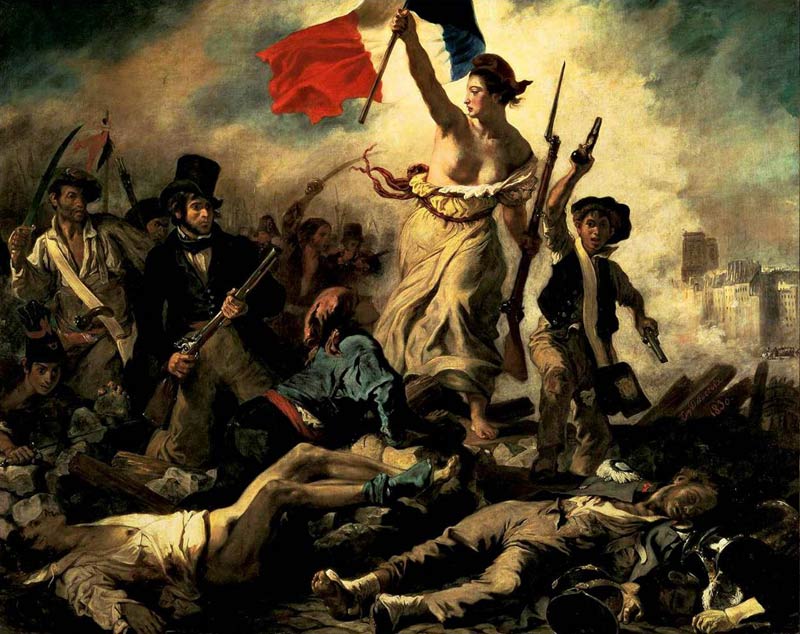
What legitimizes political order—and why does it so often fracture? What is the vehicle of political change: ideas or action? What is the relationship between politics, history, and economics? In this course, we turn to major figures in political philosophy to investigate these questions. From social contract theory to dialectics and ideology critique, we will explore radically different accounts of political power, freedom, and conflict.
Kant
PHIL 482J | Winter 2025
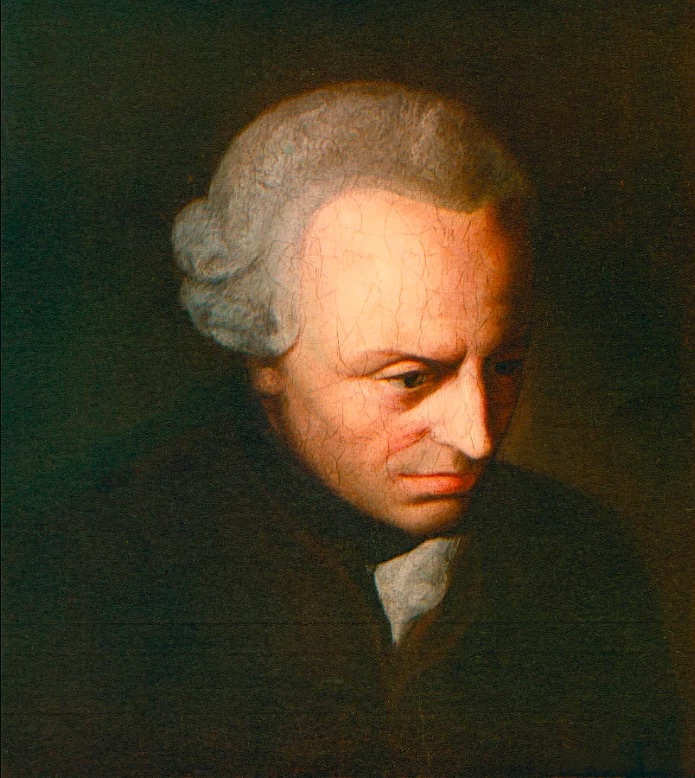
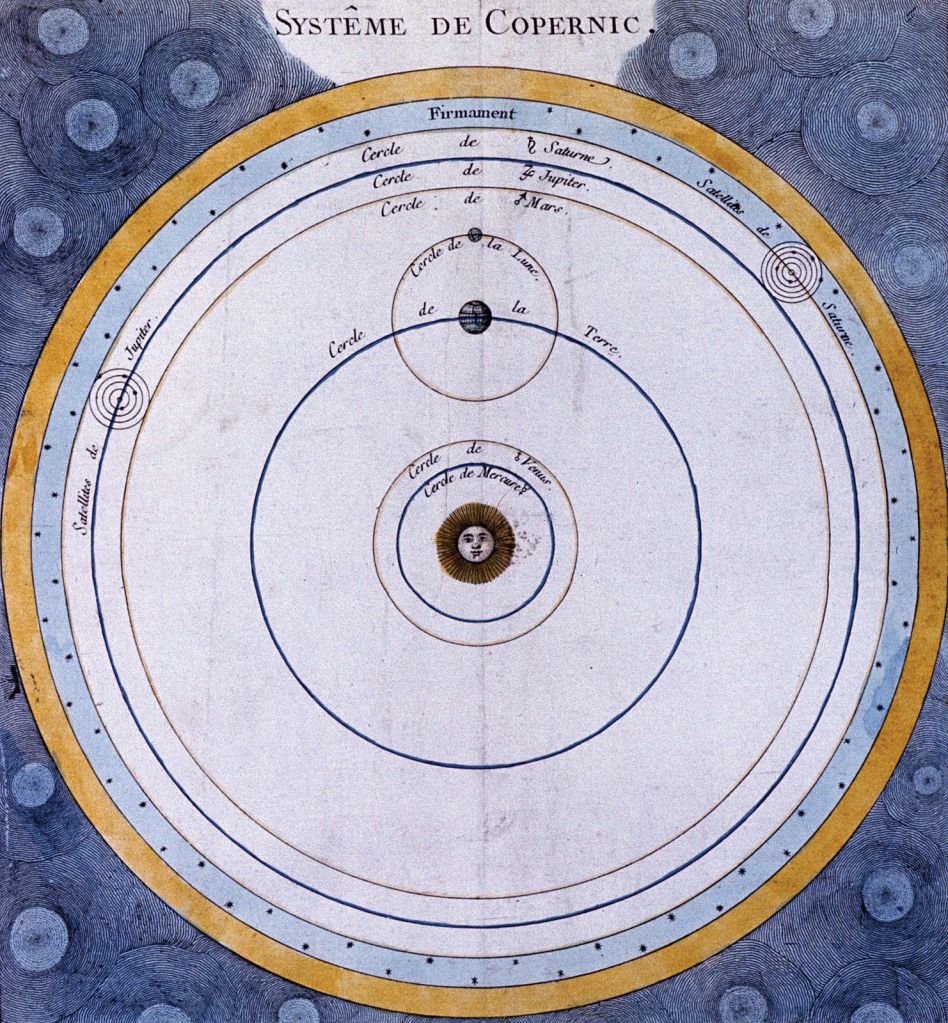
Kant’s Critique of Pure Reason is one of the most influential works in the history of philosophy. Written during the crisis of the Enlightenment, it sought to find a new foundation for knowledge, morality, and religion. In so doing, it develops a radical and controversial position according to which the mind constructs the world.
Empiricism and Early Modern Philosophy
PHIL 251B | Fall 2024
This course surveys empiricism and its place in early modern philosophy. Stimulated by the rise of experimental science, empiricism radicalized the notion of experience by arguing that it provides the exclusive basis for knowledge. This position spawned numerous controversies regarding the nature of mathematical and logical truths, the boundaries of science itself, and the existence of the soul.
Hegel
PHIL 483M | Winter 2024
Hegel’s Phenomenology of Spirit is one of the most ambitious and monumental works in the history of philosophy. It transformed the intellectual landscape of the 19th century and continues to inspire thinkers in both the continental and analytic traditions. This seminar will examine its account of the history of consciousness and its repercussions for metaphysics, epistemology, and social and political philosophy.
Žižek
PHIL 483M | Fall 2022
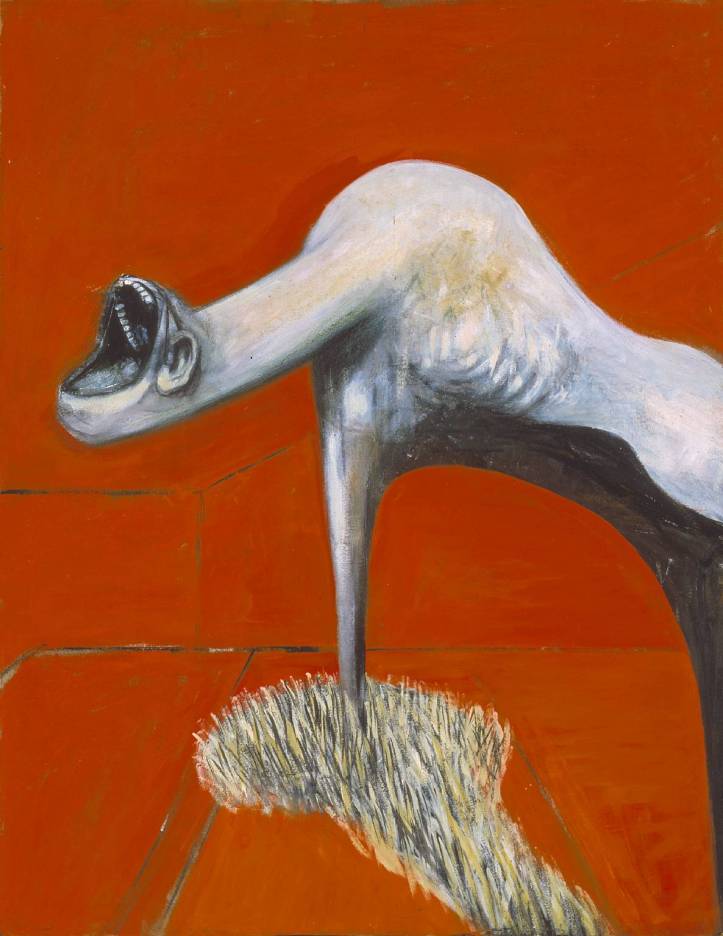
Žižek is one of the most influential philosophers alive today. This seminar will explore his unique synthesis of psychoanalysis and German Idealism into a new dialectical materialism. Topics include his provocative theses about the death drive of human nature, the origins of consciousness in a biological maladaptation, and the ideology of everyday life.
Rationalism and Early Modern Philosophy
PHIL 251A | Winter 2022
This course surveys rationalism and its place in early modern philosophy. In an age of great uncertainty caused by the confrontation between religion and science, rationalism sought an unassailable foundation for knowledge that would make philosophy a science that rivals mathematics. We will explore its divergent metaphysical systems such as dualism, pantheism, and vitalism.
 Joseph Carew